In professional wedding venues, furniture decisions extend far beyond visual styling. While décor changes from event to event, wedding furniture forms the physical infrastructure that supports every ceremony and reception.
Venues that treat wedding furniture as decoration often face recurring issues. Chairs wear unevenly, tables lose structural stability, and replacement cycles accelerate. These problems increase labor, disrupt scheduling, and dilute visual consistency across events.
By contrast, experienced banquet halls and hotel ballrooms approach wedding furniture as infrastructure. This means prioritizing commercial-grade construction, repeatable layouts, and long-term durability over one-time aesthetics.
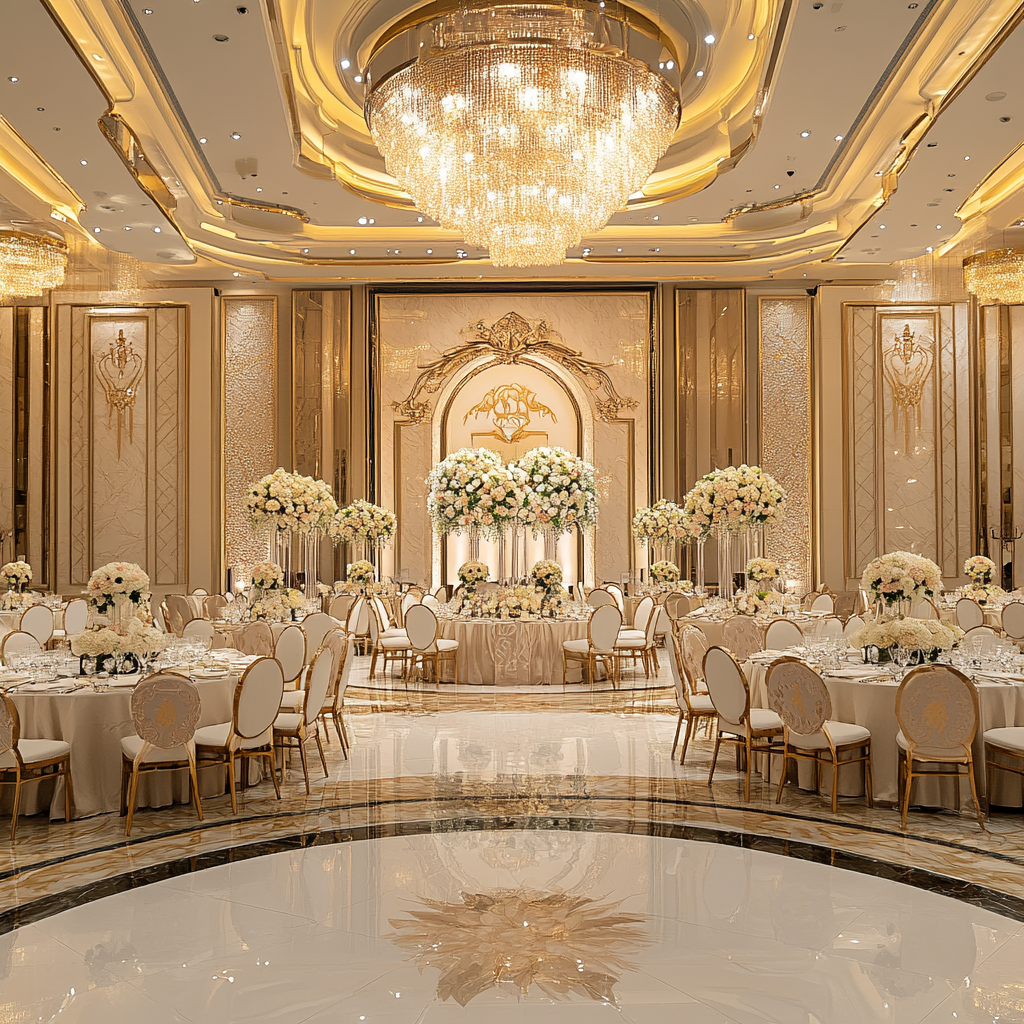
Wedding furniture infrastructure begins with seating. Chairs must maintain consistent seat height, alignment, and comfort across hundreds of events. Stackability, storage efficiency, and load-bearing performance directly affect setup speed and labor costs. Tables must resist wobbling, surface damage, and frequent reconfiguration without compromising appearance.
Infrastructure thinking also influences purchasing strategy. Rather than sourcing furniture piece by piece, professional venues invest in coordinated wedding furniture systems. Chairs, tables, and staging elements are designed to work together, creating visual harmony without constant replacement.
Over time, this approach protects brand image. Guests may not consciously notice furniture consistency, but they immediately sense instability or visual mismatch. Infrastructure-level furniture maintains the intended atmosphere regardless of décor theme.
For wedding venues operating year-round, furniture is not a styling choice. It is a structural asset that determines efficiency, reliability, and long-term cost control.


